
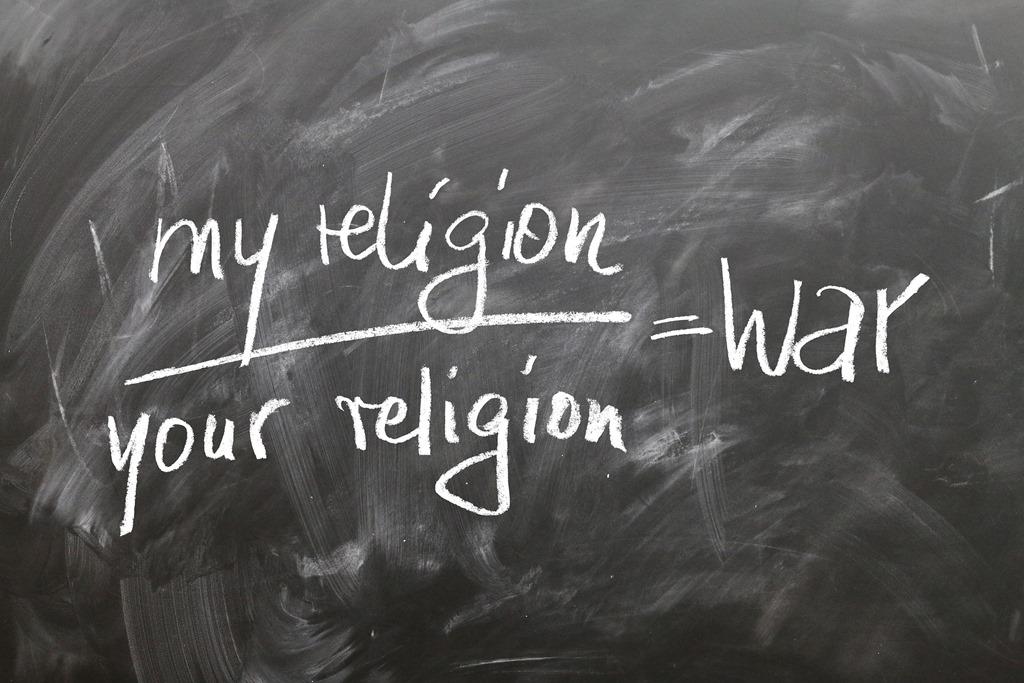
In all modern democracies, religious freedom is a fundamental right. There is no state-backed religion and no discrimination based on belief — at least on paper, as something similar is almost certainly written into your own country’s constitution.
In my native Croatia, Article 40 states:
“Jamči se sloboda savjesti i vjeroispovijedi i slobodno javno očitovanje vjere ili drugog uvjerenja.”
Roughly: freedom of conscience and religion, and the free public expression of either, is guaranteed. The US First Amendment makes the same commitment:
“Congress shall make no law respecting an establishment of religion, or prohibiting the free exercise thereof…”
This right matters because history is full of people persecuted and killed for holding the wrong beliefs — and it still happens. In Burma, Buddhist-led intolerance and violence against Muslims continues today (PDF). Freedom of religion is important. We can take that as given.
What’s less often noticed is what this freedom implies. The right to change your religion means religion is, in the eyes of the state, an idea — one you can adopt, abandon, or swap. And ideas don’t get special protection from criticism. Politicians leave their parties and attack them from the outside all the time. Why should religion be the one idea about which nothing bad can be said?
It shouldn’t, and there’s a second right that says so. Article 19 of the Universal Declaration of Human Rights:
“Everyone has the right to freedom of opinion and expression; this right includes freedom to hold opinions without interference and to seek, receive and impart information and ideas through any media and regardless of frontiers.”
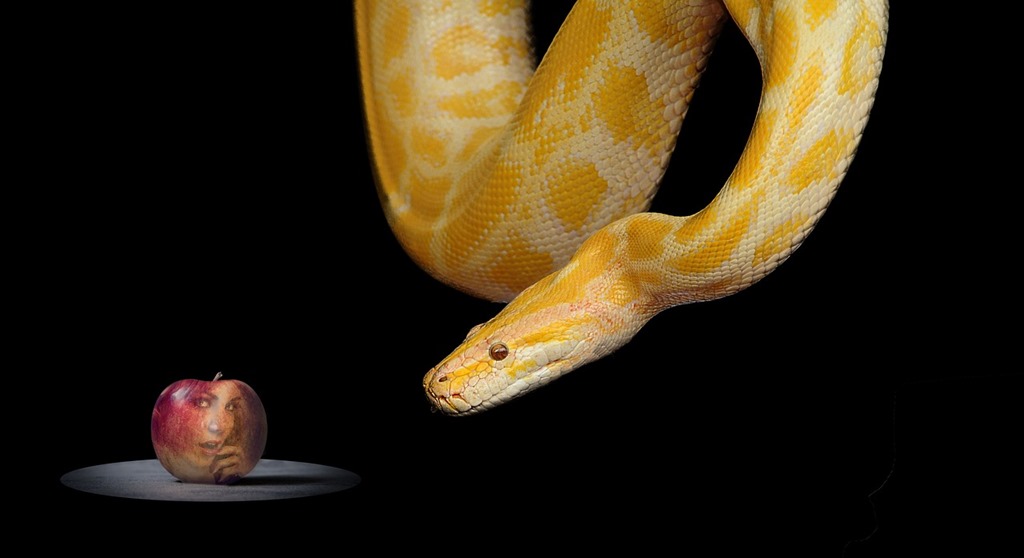
A world where criticism of religion is forbidden isn’t hypothetical — it’s a world where bloggers are jailed or executed for insulting Muhammad. That’s what happens when an idea is placed above criticism: you can imagine, or simply observe, people claiming their religion commands violence, or using it for financial gain, with no one permitted to push back.
The freedom being asked for here is modest. Criticising a religion is not the same as discriminating against its adherents — that would be both illegal and wrong. It’s possible to respect a person and care about them while ridiculing a belief they hold. People are criticised all the time; ideas should be too. And occasionally, hearing the criticism might prompt someone to think differently.
That’s the essence of free speech: ideas are open to challenge. A society that silences critics of religion isn’t a democratic one. The kind of society worth defending is built on reason, free thought, and free expression — and that means religion gets no exemption.




Comments