
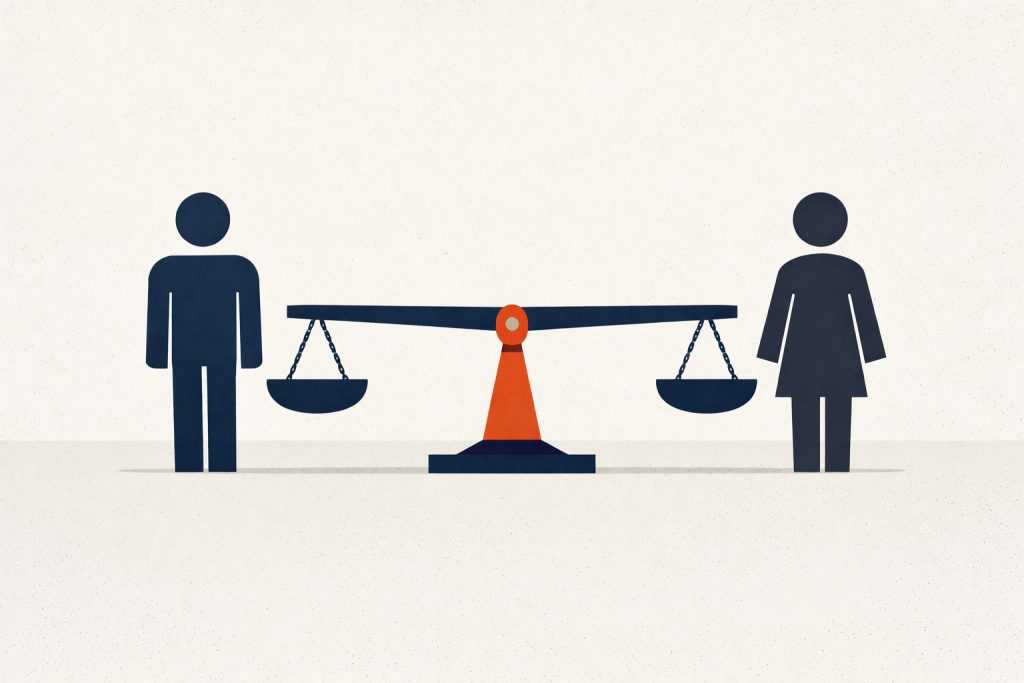
Where I Stand

There’s a particular kind of man who will tell you, with some pride, that he is not a feminist. Press him on what feminism is, and the answer usually arrives in fragments: something about hating men, something about special treatment, something about how women already have equal rights, so what more do they want? The fragments rarely add up to a coherent picture because feminism itself was never built into a single picture. It was assembled from the people who needed him to oppose it.
So let’s start there. Merriam-Webster defines feminism as the belief in and advocacy of the political, economic, and social equality of the sexes, expressed especially through organised activity on behalf of women’s rights and interests. That’s it. You can look it up; the dictionary has not been infiltrated. There is nothing in the definition about hating men, about reversing hierarchies, about witchcraft or matriarchy or the collapse of civilisation. The definition is, frankly, a little boring. Which is part of why the caricature has to work so hard.
feminism (noun): belief in and advocacy of the political, economic, and social equality of the sexes expressed especially through organized activity on behalf of women’s rights and interests
By that definition, I am a feminist. I should say, honestly, that I don’t do much organised work for it — I don’t march, I don’t volunteer, I don’t donate as much as I should. That’s a failing I’m trying to correct, and I mention it because I don’t want to claim a label I’m not paying for. But on the underlying question — should women have the same political, economic, and social standing as men? — I don’t see how a thinking person says no.
The historical case is the easy part. For most of recorded history, in most places, men held power over women by law, by custom, and by force. Women couldn’t vote, couldn’t own property in their own names, couldn’t open bank accounts without a husband’s signature, couldn’t refuse sex within marriage, couldn’t work in most fields, and couldn’t leave abusive husbands without losing their children. This isn’t ancient history. My mother was born into a world where much of that was still a recent memory. The legal underpinnings of that structure have been mostly dismantled in wealthy democracies. Still, the cultural residue is everywhere — in pay gaps, in who does the unpaid work of running a household, in whose career is assumed to bend when a child is born, in who gets interrupted in meetings, and in who is believed when they report assault. Feminism is the project of finishing the work. That’s all.
The harder part, the part worth dwelling on, is why men should care beyond a baseline sense of fairness. And here the honest answer is that feminism is also, often unintentionally, one of the better things to happen to men in the last hundred years.
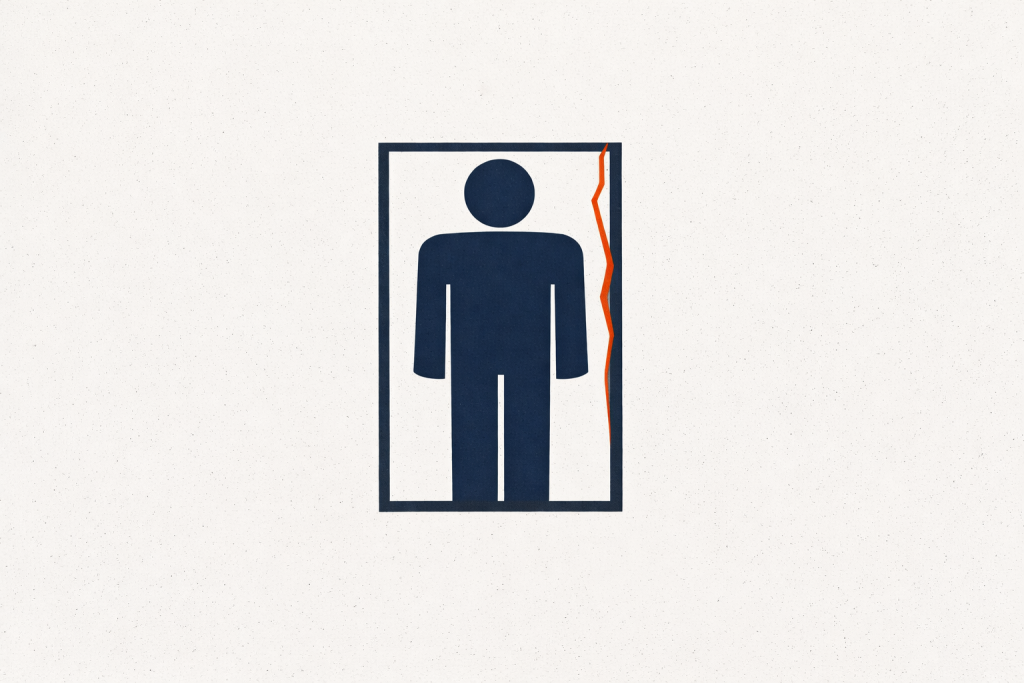
Consider what the older script asked of us. A man was supposed to be the sole earner, which meant his worth was tied to his paycheck, and his identity collapsed when the paycheck did. He was supposed to be stoic, which meant he could not name what he felt, could not ask for help, could not cry without losing standing. He was supposed to be sexually dominant, which made tenderness suspect and made any failure of performance a failure of self. He was supposed to be the disciplinarian, the protector, the one who absorbed pressure and never showed it. The reward for fulfilling this role was authority at home and respect outside it. The cost was a life lived at arm’s length from the people he loved and an inner life he was forbidden to examine.
Men still die by suicide at roughly three to four times the rate of women in most Western countries. Men still account for the overwhelming majority of deaths from alcohol and drug overdose. Men still report fewer close friendships and seek mental health care at lower rates. None of this is feminism’s fault, and none of it is solved by feminism alone — but the cultural project of loosening what a man is allowed to be, of permitting him to feel things and say so, of letting fatherhood be a relationship rather than a role, is a project feminists have been doing the intellectual work on for fifty years while a lot of men’s-rights commentary has been busy resenting them for it.
You can take the help or refuse it. Refusing it is expensive.
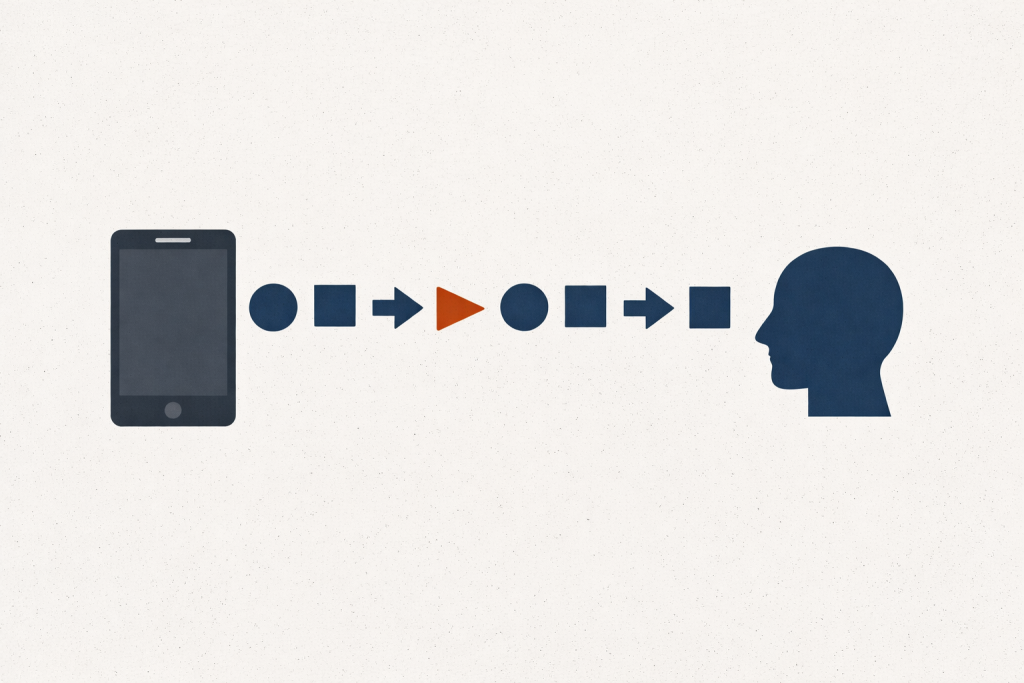
There’s a tactic, very common online now, of presenting feminism as a kind of supremacy movement — as though the goal were to put women on top rather than alongside. This framing is useful to those deploying it because it allows them to oppose equality while appearing to oppose injustice. The trick works on men who haven’t read the source material, which is most men, because most men have no reason to seek out feminist writing and every reason to absorb the version their algorithm serves them. I don’t think the men affected by this are stupid or malicious. I think they’re being told a story that flatters them, and stories that flatter us are hard to refuse.
But the cost of accepting the caricature is real. It means lining up with people whose actual project is keeping the current arrangement intact—an arrangement that, on examination, is not especially good for men either. It means refusing an alliance that would benefit you. It means choosing the version of manhood that the algorithm wants you to have, instead of the one you might choose for yourself.
So look at it yourself. Read something written by a feminist, not someone quoting one. Decide what you think the world should look like, and then decide what to call yourself. The label isn’t the point. The world is.
P.S. You should also check out the previous post in this series: Who I Am, Part One: Straight, White, Male



Comments